
Cold sores, commonly called fever blisters, are a frequent skin outbreak caused mostly by herpes simplex virus type 1 (HSV-1). Sometimes, herpes simplex virus type 2 (HSV-2)—better known for causing genital herpes—can also spark these sores, particularly from oral-genital transmission.
What Triggers Cold Sores?
Cold sores spread easily and are highly infectious, often passing from one person to another via contact with contaminated skin or saliva. The most common transmission routes include:
Direct exposure: Sharing kisses, food, drinks, or utensils with someone carrying the virus.
Indirect exposure: Handling virus-laden items such as lip balm, towels, or silverware.
Self-spreading (Autoinoculation): Touching an active sore and then contacting other body areas—like the eyes or genitals—can lead to further infection.
Spotting the Signs
Cold sores typically progress through several recognizable phases:
Tingling or irritation: A mild burn or tingle is often the earliest warning sign, appearing a day or two before a sore shows up.
Blistering: Clusters of tiny, fluid-filled bumps appear, usually around the lips, but sometimes on the nose or inside the mouth.
Blisters bursting: These blisters eventually pop, leaving raw, sore areas that are highly infectious.
Crusting over: The sores begin to scab, dry out, and heal as the crust peels away over time.

A typical cold sore episode runs its course in roughly 7 to 10 days. Even after healing, the virus lies inactive in the body and may reactivate due to specific triggers.
What Can Set Off an Outbreak?
Various triggers can awaken the dormant virus and lead to fresh cold sores:
- Mental or physical strain
- Too much sun exposure or UV radiation
- Hormonal changes, such as those from pregnancy or menstrual cycles
- Other infections, like the flu or common cold
- A compromised immune system, often from illness or medical therapies.
How Do You Treat Cold Sores?
While there’s no lasting cure for cold sores, several treatments can ease symptoms and speed recovery:
Oral antiviral medications: Drugs such as acyclovir, valacyclovir, or famciclovir can help shorten outbreaks and reduce intensity, especially when started early.
Antiviral ointments: These creams may ease irritation and help limit the virus’s ability to spread.
Pain relief options: Over-the-counter painkillers like acetaminophen or ibuprofen, along with numbing gels, can provide relief.
Hydrating lip care: Moisturizing balms or soothing creams can help combat dryness and reduce discomfort around the sore.

Prevention Tips
To help stop cold sores from spreading or flaring up again, consider these habits:
- Refrain from kissing or close physical contact when a sore is present
- Avoid sharing items like utensils, lip products, or towels
- Apply a lip balm with SPF if sunlight tends to trigger outbreaks
Keep your immune system strong with healthy eating, regular movement, and managing stress.
When to Contact a Doctor
You should reach out to a medical professional if:
- Outbreaks occur often or are more severe than usual
- Store-bought treatments aren’t providing relief
- Sores appear beyond the lip area or become much larger
- Pain makes it hard to eat, drink, or talk
- Your immune system is compromised, increasing the risk of complications

Alzheimer’s stands as the most common cause of dementia in the UK, according to the NHS. Although the precise origin isn’t fully known, several factors—such as advancing age, untreated depression, genetics, and lifestyle habits tied to heart health—may all play a role.
In recent years, mounting research has begun to shift the narrative, suggesting that Alzheimer’s could, in part, be driven by an infectious process rather than just a degenerative one.
One notable 2019 study uncovered a possible link between gum disease and Alzheimer’s development.
“There’s been speculation for some time that infections might contribute to Alzheimer’s, but strong evidence supporting a causal relationship has been limited,” said Dr. Stephen Dominy, co-founder of Cortexyme.

Investigating gingipains—the harmful enzymes produced by P. gingivalis—researchers discovered that elevated levels of these toxins were linked to two proteins already associated with Alzheimer’s progression: tau and ubiquitin.
Interestingly, the study also detected gingipains in the brains of deceased individuals who had never been formally diagnosed with Alzheimer’s.
This raises a critical question: would these individuals have eventually developed the disease had they lived longer, or does Alzheimer’s itself lead to deteriorating oral hygiene and increased vulnerability to such infections?
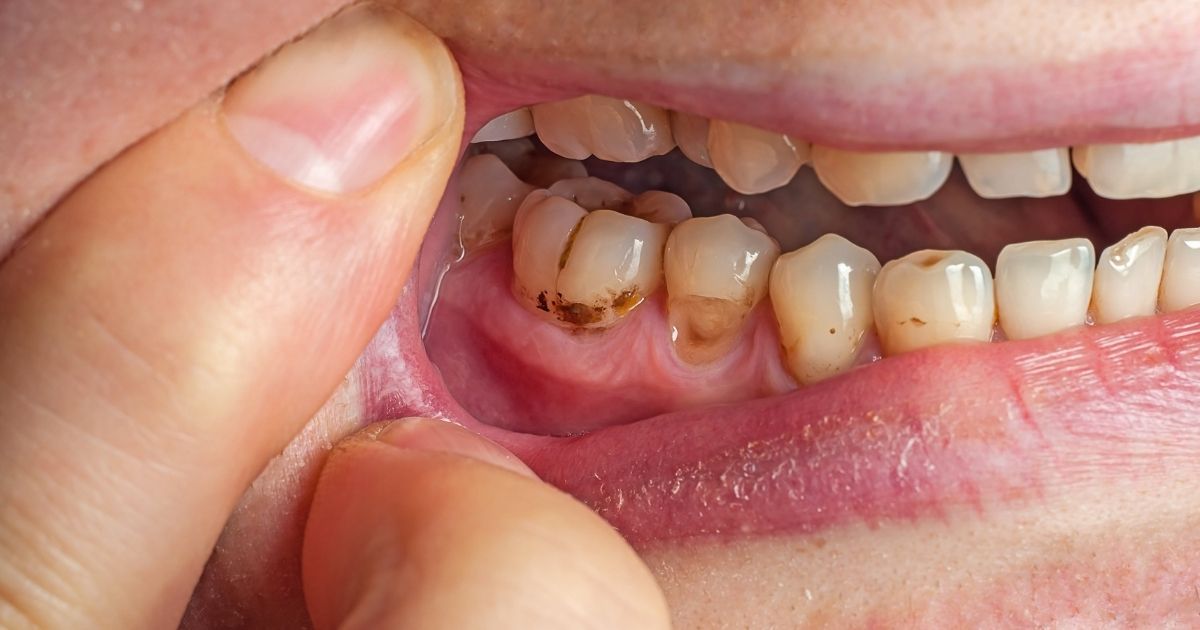
“Our discovery of gingipain antigens in the brains of individuals diagnosed with Alzheimer’s—as well as in those showing Alzheimer’s-related brain changes but no signs of dementia—suggests that infection by P. gingivalis is not merely a byproduct of declining dental care after dementia begins or a feature of late-stage disease,” the researchers noted. “Rather, it appears to be an early event that may help explain the brain changes seen in middle-aged individuals even before any noticeable cognitive decline.”
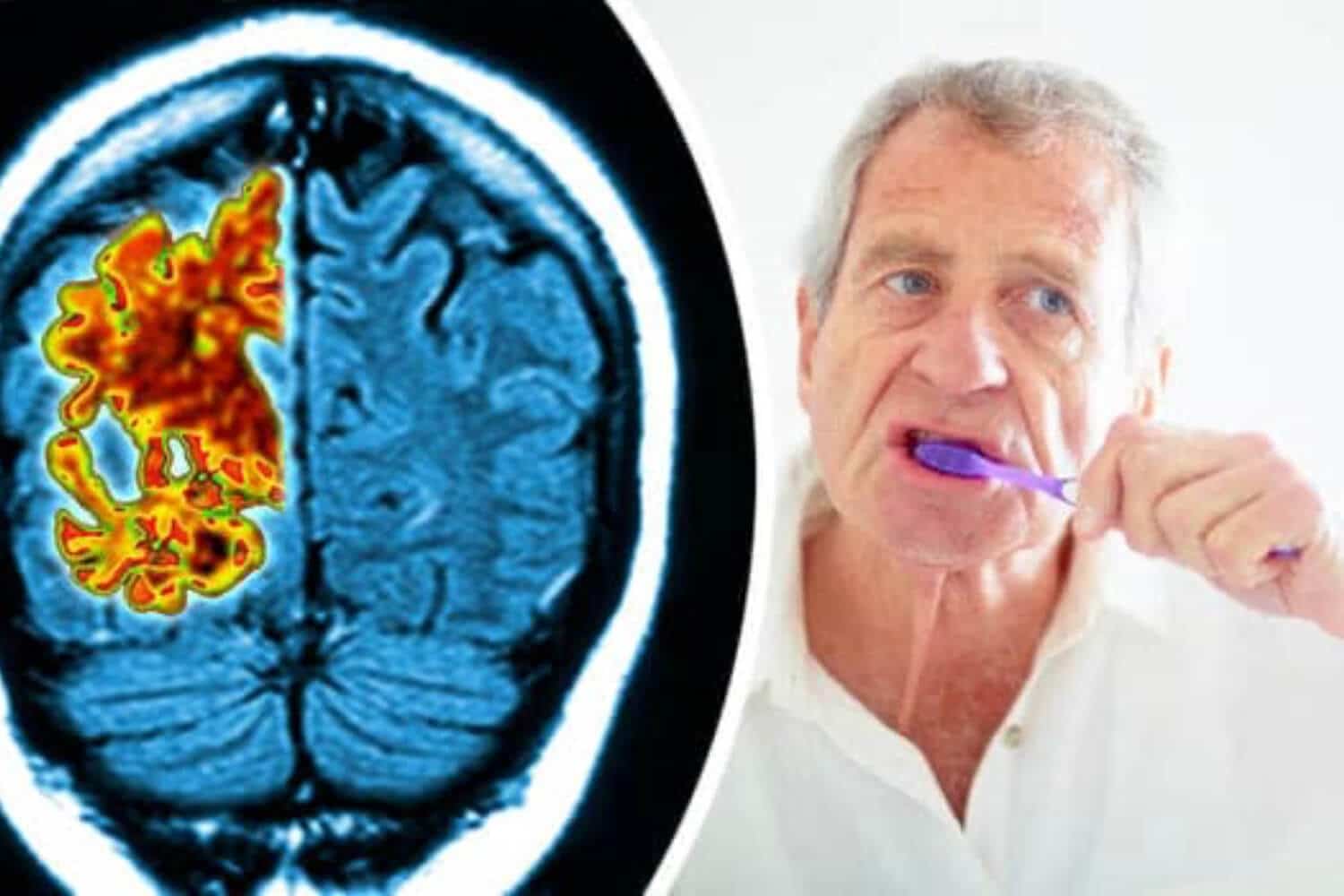
The mice experiment also showed a reduction in both amyloid-beta buildup and brain inflammation, thanks to a compound developed by the company known as COR388.
“While treatments aimed at blocking the toxic proteins of this bacteria have only shown promise in mice so far, the lack of any new dementia therapies in over 15 years highlights the need to explore every possible avenue,” said David Reynolds, Chief Scientific Officer at Alzheimer’s Research.